


From Raw Material to Dining Table: How Yapugreen Corn Starch Tableware Achieves "True Sustainability and Durability" Through Technology
Esterification modification, fluorine-free oil resistance, and full biodegradability — engineered for real-world foodservice
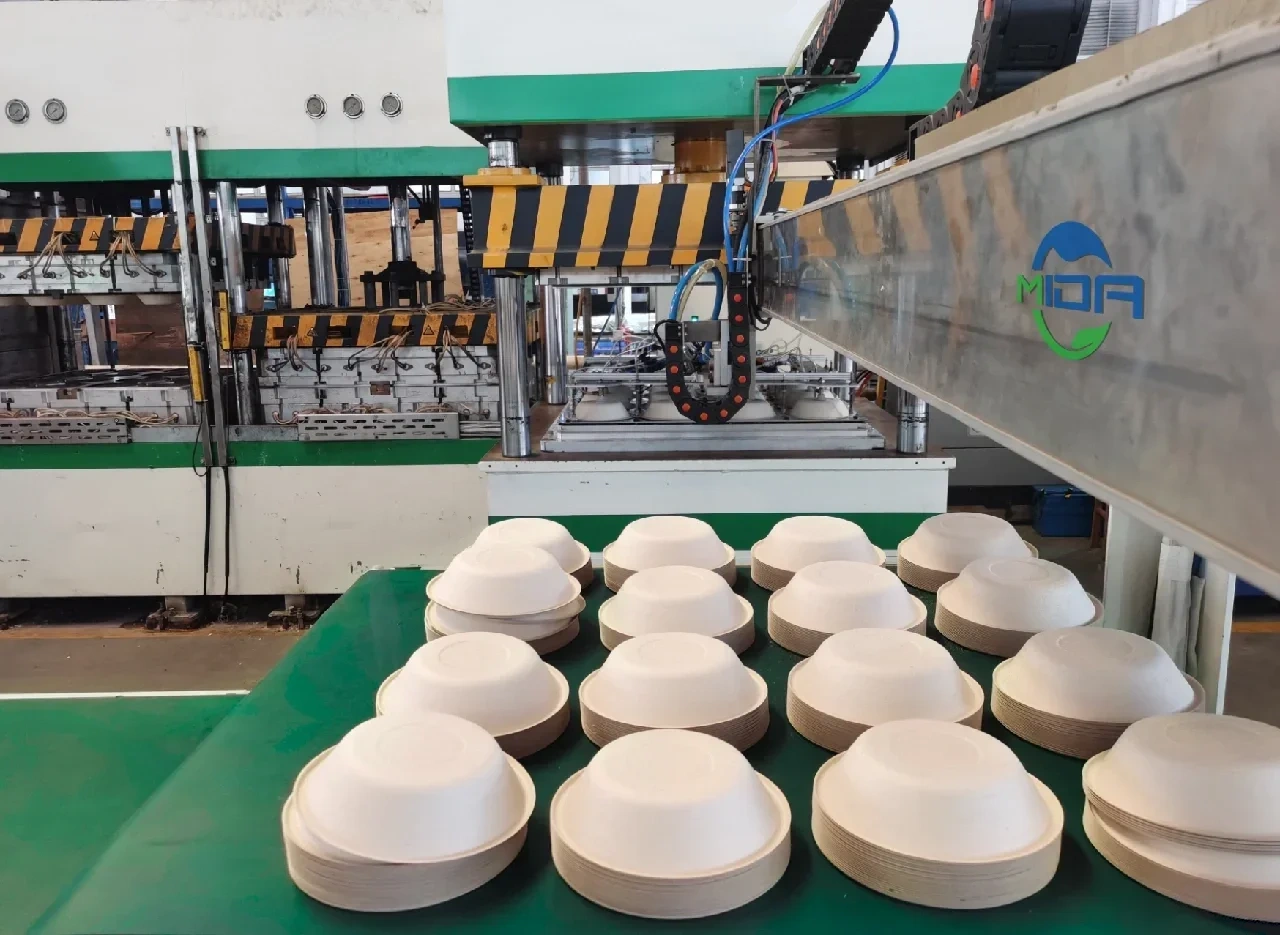
If you're searching for truly reliable eco-friendly tableware for your restaurant brand or corporate cafeteria, you've likely noticed that many so-called "compostable" products on the market either warp easily in customers' hands or lack complete certification documentation. Procuring sustainable tableware is no longer just about swapping materials—it's a comprehensive evaluation involving manufacturing technology, product performance, and compliance evidence.
Yapugreen, with deep expertise in starch-based tableware, leverages advanced formulations and production processes to deliver a solution that stands up to scrutiny.
1. Core Technology: Addressing the "Durability Issue" of Starch Tableware at the Molecular Level
Natural starch is hydrophilic and has poor heat resistance, causing molded products to soften when wet or deform under heat. Yapugreen overcomes this challenge through its proprietary esterification modification technology, transforming the material at the molecular level.
- Process Principle: Dried corn starch reacts under specific conditions with tert-butyl acetoacetate to produce acetylacetic acid starch ester. This modification "hides" the hydrophilic hydroxyl groups on the starch molecule chains, granting the material excellent high-temperature melt processability and superior water resistance.
- Performance Outcome: Tableware made using this process demonstrates significantly improved mechanical strength (tensile strength reaching 18–23 MPa) and waterproofing, with heat resistance up to 120–140°C. This means the tableware can reliably hold hot dishes and soups without softening or deforming.
2. Formula Optimization: Multi-Layered Protection for Safety and Performance
Beyond core starch modification, Yapugreen integrates several proven technologies into its formulation to ensure optimal real-world performance:
- Fluorine-Free Oil-Resistant Technology: Traditional oil-resistant agents often contain fluorinated compounds, raising health concerns. We adopt an industry-leading approach by using a starch-based, bio-derived, fluorine-free oil repellent composed of cassava starch, nano-silica dioxide, chitosan, and soy protein isolate. This forms a dense film on the surface of paper pulp or starch-based substrates, achieving an oil resistance rating of up to grade 9, capable of withstanding 85–100°C hot oil without leakage—ensuring food safety from the start.
- Composite Reinforcement System: The formula may incorporate bamboo powder, plant fibers, or polybutylene succinate (PBS)—all biodegradable materials—to further enhance impact resistance and flexibility, making the tableware more durable.
3. Production and Degradation: Full Lifecycle Sustainability Backed by Standards
From manufacturing to disposal, Yapugreen products follow a clear, environmentally responsible path:
- Industrial Production: Modified starch material undergoes melt blending, extrusion granulation, followed by thermoforming or injection molding, enabling efficient mass production of bowls, plates, cutlery, and more. As a natural polymer, starch offers abundant raw materials and stable pricing, giving the technology strong cost advantages at scale.
- Complete Biodegradability: Under industrial composting conditions (aerobic environment), the products degrade mostly into carbon dioxide and water within 45 days, leaving no microplastic residue and posing no soil pollution risk.
Objective Understanding: Performance Limits and Realistic Expectations
As a responsible manufacturer, Yapugreen transparently shares the objective characteristics of our products, helping you use them correctly and evaluate their true value:
- Heat resistance within a defined range: After modification, the heat resistance reaches 120–140°C, sufficient for most food service scenarios (hot meals, hot soups), but not recommended for extreme heating environments such as open flames or ovens.
- Higher cost compared to traditional plastics: The development, certification, and raw material costs of bio-based materials typically result in prices higher than conventional disposable plastic tableware. This premium reflects the product's environmental value and technological sophistication.
- Degradation depends on end-of-life infrastructure: The optimal degradation pathway for this product is through industrial composting facilities. In areas lacking such facilities, its environmental benefits may be diminished. Yet this very challenge underscores the importance of advancing waste sorting and improving end-stage treatment infrastructure.
Conclusion: Choose Yapugreen—Choose an Environmentally Responsible Solution That Stands the Test
Purchasing eco-friendly tableware involves a comprehensive evaluation of quality, compliance, and responsibility. Yapugreen's cornstarch-based tableware offers a reliable solution with proven esterification modification technology, fluorine-free oil-resistant formulation, and full degradation certifications—ensuring consistent performance, transparent sourcing, and clear disposal pathways.
If you're looking for a long-term, dependable partner in sustainable tableware for your restaurant, cafeteria, or retail business, contact Yapugreen today to request samples and customized solutions. Together, let's leverage our technological strength to earn market trust and shape a better future.