


From Foam Containers to Cornstarch Boxes: The Evolution of Disposable Tableware—and Your Procurement Guide
Compliance, Biodegradability, Safety & Cost — A Practical Guide for Restaurants, Cafeterias & Retail Brands
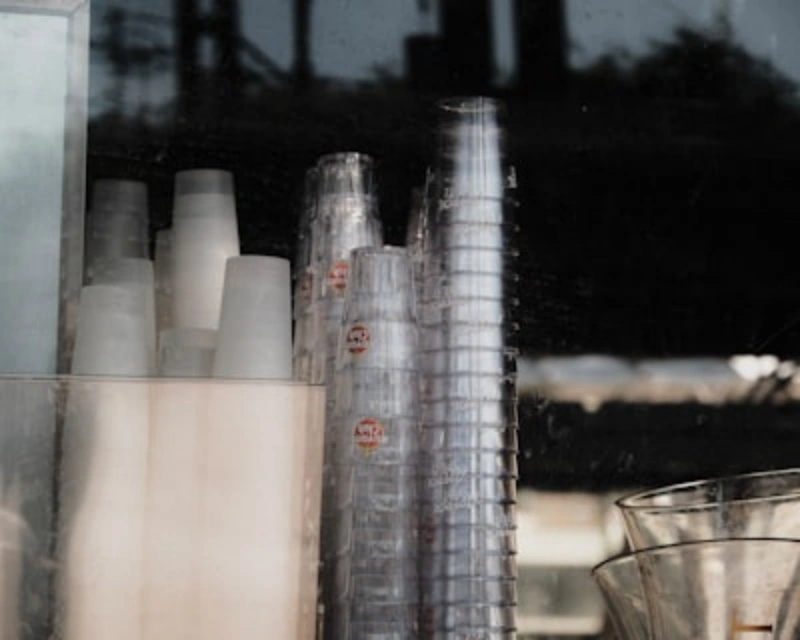
If you're sourcing disposable food containers for your restaurant, cafeteria, or retail brand, you've likely noticed a shift: the once-ubiquitous foam containers that lined street-side shops are now nearly gone. While transparent plastic containers remain widely used, regulatory pressure is mounting. Meanwhile, eco-friendly alternatives like cornstarch and sugarcane-based containers are transitioning from niche options to mainstream trends.
What's driving this change? What really sets different container materials apart? And as a buyer, how can you make choices that are both compliant and practical?
Yapugreen walks you through the evolution of disposable food packaging and provides a practical guide to help you decide.
1. Foam Containers: A Chapter Closed
Many buyers may remember the white foam containers commonly found in small shops years ago. Made from polystyrene resin, these containers were expanded using blowing agents (like butane), then heated, extruded into sheets, and thermoformed into shape. Their low cost made them dominant in the market.
However, their fatal flaws included: poor heat resistance, potentially releasing harmful substances when holding hot food; difficulty in degradation, creating long-term environmental burdens; and the use of recycled material in some products—raising concerns about unknown raw material sources and safety risks.
Regulatory action has been decisive: China listed single-use foam plastic tableware in its elimination catalog three times—in 1999, 2005, and 2011. Although briefly lifted in 2013, it was reclassified as an eliminated product under the 2019 Guidance Catalogue for Industrial Structure Adjustment. In 2020, the new plastic restriction policy explicitly banned the production and sale of single-use foam plastic tableware.
Procurement Insight: Foam containers are history. Continuing to use them not only poses compliance risks but could also damage your brand reputation.
2. Transparent Plastic Containers: Mainstream, But with Limits
Today's most common takeout and delivery boxes are typically made of transparent plastic, often marked with a recycling triangle and number at the bottom. The most common types include:
- No. 5 PP (Polypropylene): Offers the highest heat resistance, with a usable temperature range of -30°C to 140°C. It's frequently used in microwave-safe containers and currently dominates the takeout box market.
- No. 6 PS (Polystyrene): Commonly used in cup lids for milk tea, it has poor heat resistance and may release styrene monomers when exposed to high temperatures or oils.
- No. 1 PET (Polyethylene Terephthalate): Typically used in water bottles and beverage containers, it cannot withstand high temperatures.
While PP5 is relatively safe, it remains a petroleum-based plastic and is not biodegradable. Moreover, when heated, additives such as bisphenol A (BPA) and phthalates may leach out, posing potential health risks over prolonged exposure.
Procurement Insight: PP5 containers are suitable for short-term storage of room-temperature or slightly warm foods. However, if you're aiming to enhance your brand image, meet ESG goals, or comply with export regulations, they aren't a sustainable long-term solution.
3. Cornstarch Containers: The Strong Contender in Eco-Friendly Alternatives
Cornstarch containers should more accurately be called starch-based plastic containers. Their core principle involves chemical modification of natural starches—such as esterification, etherification, cross-linking, or copolymerization—to reduce hydroxyl groups in starch molecules. This transforms the material from being hydrophilic to hydrophobic, heat-sensitive to heat-resistant, and brittle to moldable, resulting in a thermoplastic starch material that can be processed like conventional plastics.
Yapugreen follows this technological approach and further incorporates biodegradable polyesters such as PLA and PBAT, enabling the product to offer:
- Complete biodegradability: Under industrial composting conditions, it breaks down into carbon dioxide and water, without generating microplastic pollution.
- Food safety: Made from corn starch, free of harmful additives, and certified for food contact safety.
- Reliable performance: After modification, it offers excellent water and oil resistance, heat tolerance, and mechanical strength, meeting the demands of most food service scenarios.
- Regulatory compliance: Aligned with "plastic ban" policies, helping your business avoid regulatory risks.
Cost comparison reference: Taking a 20-piece set on a certain e-commerce platform as an example, a 650ml cornstarch container costs approximately 27.9 yuan, a 750ml PP plastic container about 17.9 yuan, and a 750ml kraft paper container around 31.9 yuan. Cornstarch containers are priced close to kraft paper ones but significantly higher than PP plastic containers.
Procurement insight: The premium price of cornstarch containers reflects investment in environmental sustainability, food safety, and compliance certifications. For businesses seeking brand differentiation, ESG goals, or export opportunities, this investment is worthwhile.
IV. Other Eco-Friendly Options: Sugarcane Pulp and Kraft Paper
Besides cornstarch, two other common eco-friendly food containers are available in the market:
Sugarcane pulp containers: Made from sugarcane bagasse—the residue after sugar extraction—using paper molding technology and high-temperature pressing. The raw material is renewable and relatively low-cost, with heat resistance exceeding 120°C, suitable for microwave heating and freezing. Decomposition takes approximately 60–120 days. Ideal for cost-sensitive buyers who still prioritize environmental impact.
Kraft paper containers: Made from kraft paper, typically lined with PE film to achieve waterproof and oil-resistant properties. While the paper base is biodegradable, the PE lining remains plastic, reducing overall environmental benefits. Pricing is similar to cornstarch containers and suits specific applications such as baked goods or light meals.
V. Procurement Decision Guide: How to Choose the Right Eco-Friendly Container?
| Evaluation Criteria | Foam Containers | PP Plastic Containers | Cornstarch Containers | Sugarcane Pulp Containers |
|---|---|---|---|---|
| Compliance | Disabled | Gradually Restricted | Policy Encouraged | Policy Encouraged |
| Biodegradability | Extremely difficult to degrade | Extremely difficult to degrade | Fully biodegradable | Fully biodegradable |
| Heat Resistance | Poor | Moderate (PP5) | Good | Good |
| Food Safety | High risk | Average | High | High |
| Cost | Lowest | Low | Medium-high | Medium |
| Brand Value | Negative | Neutral | Positive | Positive |
Yapugreen's Recommendation:
- If you prioritize lowest cost and have no environmental requirements, PP plastic food containers remain a practical option, though policy changes should be closely monitored.
- If you aim to balance cost and sustainability, sugarcane pulp containers offer excellent value for money.
- If your goal is brand elevation, ESG compliance, or export needs, cornstarch-based containers are the superior choice.
Conclusion: Choosing the Right Container Means Choosing the Right Future
From the phase-out of foam containers, to restrictions on plastic containers, and the rise of eco-friendly alternatives like cornstarch and sugarcane pulp—single-use tableware evolution has fundamentally been a balancing act among cost, safety, environmental impact, and regulation.
Yapugreen specializes in the research, development, and production of cornstarch-based tableware, utilizing mature compression molding technology to deliver consistent quality and comprehensive certifications for sustainable food packaging solutions. We openly acknowledge the cost limitations of our products, yet firmly believe that the market trend toward eco-friendly tableware is irreversible.
If you're looking for a trusted supplier of sustainable food containers for your restaurant brand, corporate cafeteria, or retail business, contact Yapugreen today to request samples and receive a customized quote. Let's work together to provide your customers with a dining experience that is both safe and environmentally responsible.