


How to Choose the Right Disposable Plastic Cups for Lemonade and Cold Beverages
(Contains: cups plastic disposable, small cups plastic, plastic lemonade cups, disposable lemonade cups)
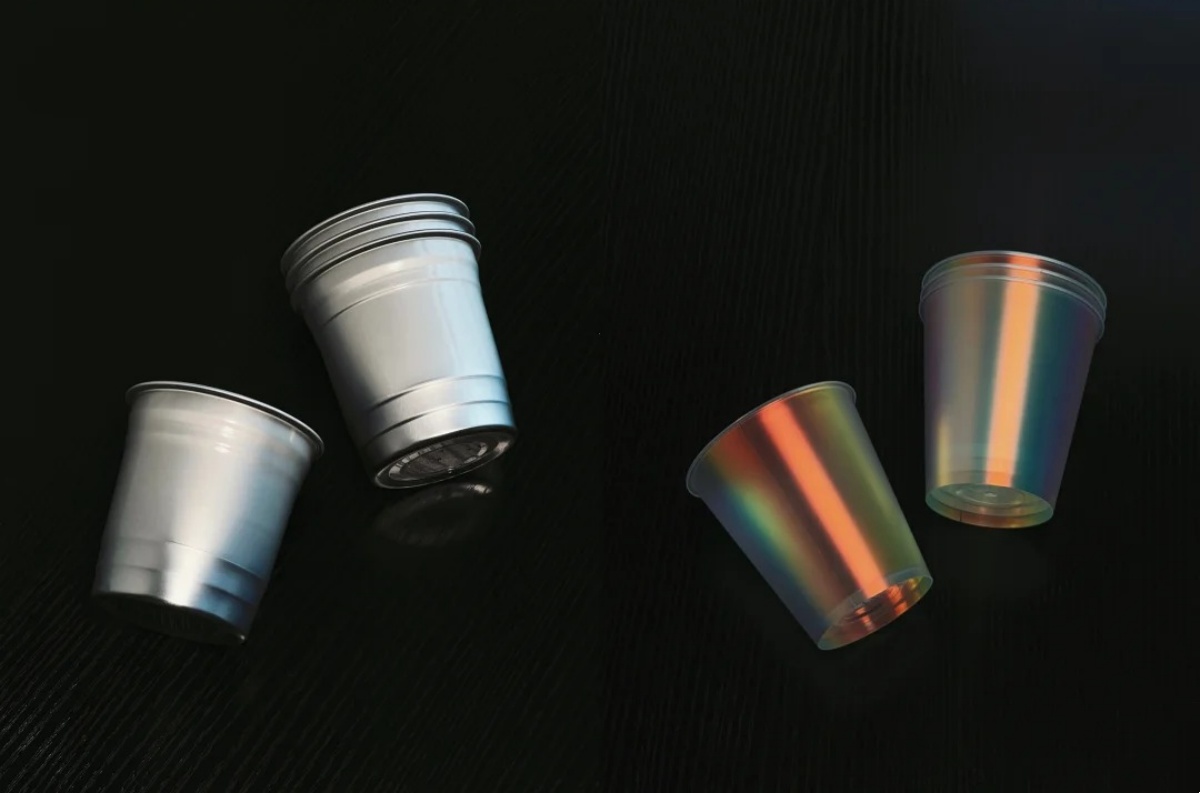
Disposable cups for cold beverages are widely used in food trucks, street stalls, outdoor events, amusement parks, cafés, and takeaway shops. These cups are designed for short-term use, high turnover, and easy handling. However, not all disposable cups perform the same. Differences in material, wall thickness, rim design, and base structure significantly affect user experience and operational efficiency.
Cups Plastic Disposable for General Cold Beverages
Cups plastic disposable are usually made from PET, PP, or PS. PET is the most common choice for cold drinks because of its high transparency, good rigidity, and crack resistance.
PP is more flexible and less likely to shatter, making it suitable for environments with frequent drops. PS is lightweight and cheap but more brittle. Typical sizes range from 8oz to 24oz. Smaller sizes are used for samples, kids’ drinks, or portion control. Larger sizes are preferred for iced tea, smoothies, and lemonade. Wall thickness typically ranges from 0.25 mm to 0.45 mm. Thin walls reduce cost but increase the risk of collapsing when squeezed.
A well-designed disposable cup should remain stable for at least 30–60 minutes with ice inside. Condensation weakens the structure, so ribbed or reinforced sidewalls are often used to improve rigidity.
Small Cups Plastic for Tasting and Portion Control
Small cups plastic are commonly used for tasting samples, sauce portions, kids’ drinks, and medical or institutional applications. These cups usually range from 2oz to 7oz. They are lightweight and easy to stack, which is important for high-volume service environments.
For sampling purposes, these cups must be easy to grab and separate. Poor stacking design causes cups to stick together, slowing down service. Manufacturers often add micro-ridges near the base to prevent vacuum locking. Another important factor is rim thickness. Very thin rims feel sharp and uncomfortable on the lips. Rounded rims improve comfort and reduce cracking.
Small cups are also widely used in healthcare and education, where precise portioning is important. Some models include volume markings, which help staff control dosage or serving size.
Plastic Lemonade Cups for Acidic Cold Beverages
Plastic lemonade cups are specifically designed for cold, acidic beverages. Lemonade has a lower pH than water, which means the cup material must resist chemical interaction and maintain clarity. PET is the most common choice for lemonade cups because it does not react with acidic liquids and keeps the drink visually appealing.
These cups are usually taller and slimmer than standard water cups. This shape improves visual presentation and makes the drink look more refreshing. Common sizes include 12oz, 16oz, 20oz, and 24oz. A major design feature is lid compatibility. Lemonade cups often use flat lids with straw slots or dome lids for garnishes. The lid must fit tightly to prevent leaks during walking or driving.
Base stability is another important factor. Lemonade cups are often used outdoors, where surfaces may be uneven. A slightly wider base reduces tipping risk.
Disposable Lemonade Cups for Outdoor Performance
Disposable lemonade cups must perform well in warm outdoor conditions. When exposed to sunlight, some low-grade plastics soften or deform. High-quality PET cups remain stable at temperatures up to 60°C. These cups should also resist squeezing. People often hold cold drinks tightly, especially when condensation makes the surface slippery. Ribbed or textured sidewalls improve grip and prevent collapse.
Another important feature is crack resistance. Lemonade is often served with ice cubes, which can press against the cup wall. Thin or brittle cups crack easily. PET cups with 0.4 mm thickness provide a good balance between strength and cost.
Logistics and Operational Considerations
From a logistics perspective, disposable lemonade cups are typically packed in sleeves of 50 or 100 units and then placed into master cartons of 1,000 or 2,000 units. Buyers should check carton compression strength to avoid deformation during stacking. Stacking height is also important. Overly tall stacks can bend lower cups, especially in warm environments. A good carton design distributes weight evenly.
In high-volume environments, cup separation speed matters. Staff should be able to grab one cup at a time without pulling multiple cups together. This depends on the taper angle and rim geometry.
Strategic Cup Selection Framework
In summary, selecting disposable cups for cold drinks is not just about size and price. Buyers should consider: – Material type – Wall thickness – Rim structure – Base stability – Lid compatibility – Stackability. A cup that fails in any of these areas can lead to spills, wasted product, and unhappy customers.
Choosing the correct cup improves service speed, reduces complaints, and enhances the visual appeal of the beverage. In competitive foodservice environments, even small details like cup shape and texture can affect customer perception.
The strategic selection of disposable plastic cups for cold beverages requires careful evaluation of both performance characteristics and operational requirements. By matching cup features to specific beverage types and service environments, businesses can optimize customer experience while maintaining efficient operations. The right cup choice transforms a simple container into a valuable tool for enhancing brand perception and service quality in competitive foodservice markets.
| Cup Type | Primary Materials | Typical Sizes | Key Features | Best Applications |
|---|---|---|---|---|
| Cups Plastic Disposable | PET, PP, PS | 8oz, 12oz, 16oz, 24oz | 0.25–0.45 mm wall thickness, reinforced sidewalls | Food trucks, street stalls, outdoor events |
| Small Cups Plastic | PET, PP | 2oz, 4oz, 6oz, 7oz | Micro-ridge stacking, rounded rims, portion markings | Tasting samples, kids' drinks, medical portions |
| Plastic Lemonade Cups | PET | 12oz, 16oz, 20oz, 24oz | Acid-resistant, tall/slim shape, wider base | Lemonade stands, fruit drink service, cafés |
| Disposable Lemonade Cups | PET | 16oz, 20oz, 24oz | UV stable, textured grip, 0.4 mm wall thickness | Outdoor festivals, amusement parks, summer events |
As the foodservice industry continues to evolve, the strategic selection of disposable cups will play an increasingly important role in operational success and customer satisfaction. By understanding the specific requirements of different cold beverage applications—from acidic lemonade to general iced drinks—businesses can make informed decisions that enhance service efficiency, reduce waste, and create positive customer experiences. The thoughtful integration of well-designed disposable cups represents a valuable opportunity for foodservice operators to differentiate their offerings in competitive markets.