


Choosing the Right Reusable and Utility Plastic Cups for Beverage Shops and Food Prep
(Contains: reusable boba cups, cups plastic reusable, small cups plastic, measuring cups plastic)
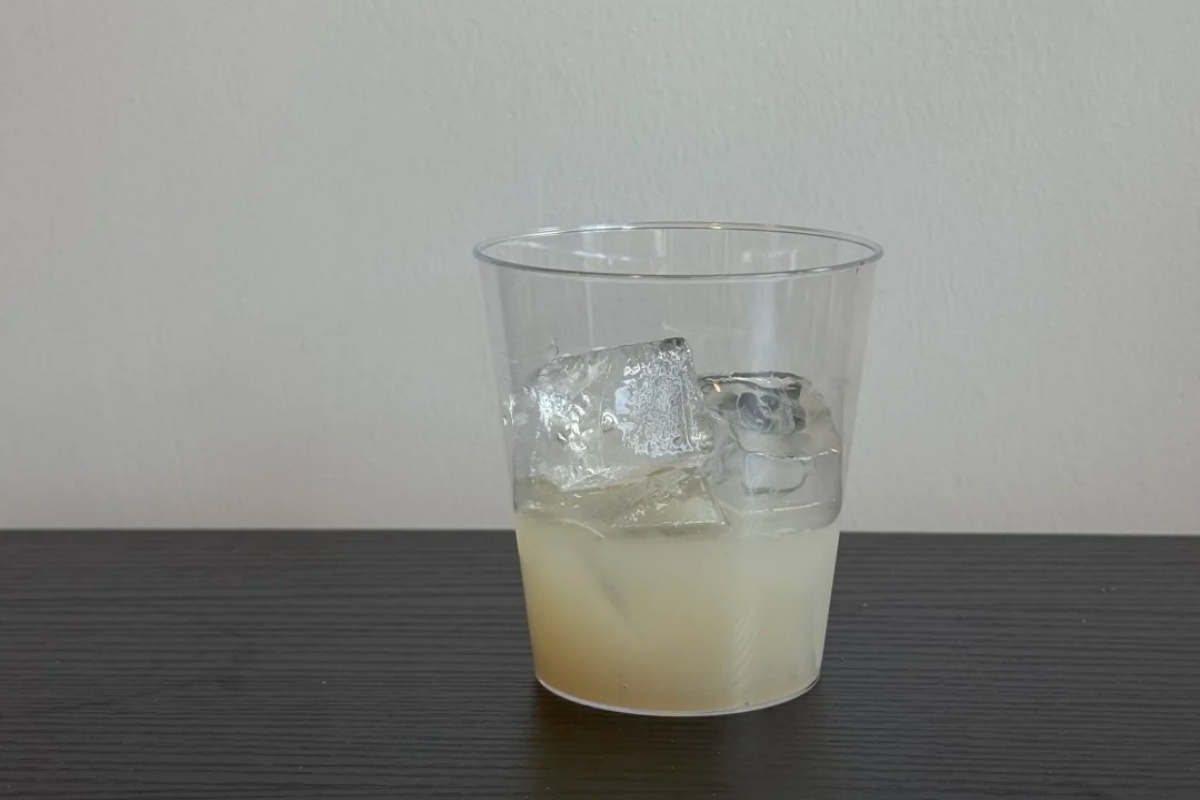
In beverage shops, cafés, dessert bars, and quick-service restaurants, different types of cups serve very different roles. Some are customer-facing, some are back-of-house tools, and some are designed for long-term repeated use. Treating all plastic cups as the same product leads to inefficiency, waste, and inconsistent service.
Reusable Boba Cups for Specialty Beverage Service
Reusable boba cups are designed specifically for bubble tea, fruit tea, and mixed drinks that contain solid ingredients such as tapioca pearls, coconut jelly, or fruit pieces.
These drinks require larger straw openings and more internal volume clearance than standard beverage cups. Most reusable boba cups are made from PP or Tritan. PP is flexible, lightweight, and cost-effective. Tritan offers better transparency and scratch resistance, making it more visually appealing but also more expensive. For high-frequency use environments, PP is often preferred because it resists cracking when dropped.
Common capacities include 500 ml, 700 ml, and 1000 ml. A 700 ml size is often considered the best balance between portion size and portability. Wall thickness typically ranges from 0.45 mm to 0.7 mm. Thinner walls reduce cost but reduce lifespan. Key performance requirements include: – Resistance to cracking when dropped – Compatibility with dome or flat boba lids – Smooth inner walls for easy cleaning – Stackability for storage. A good reusable boba cup should withstand at least 200 dishwasher cycles without warping or clouding.
Cups Plastic Reusable for General Dining and Institutional Use
Cups plastic reusable are not limited to boba shops. They are used in offices, schools, cafeterias, sports venues, and institutional dining. These cups replace single-use products to reduce long-term cost and waste.
PP is the most common material because it is flexible, dishwasher-safe, and resistant to chemicals. Tritan is used when higher clarity is needed, such as in premium environments. Typical sizes range from 250 ml to 600 ml. For water and juice, 300–400 ml is standard. For smoothies and milkshakes, 500–600 ml is more common.
Design features that matter: – Rolled rim for comfort and durability – Slightly textured surface for grip – Thickened base for stability – Controlled taper angle for easy stacking. Poorly designed reusable cups often fail at the rim, where cracking starts after repeated washing.
Small Cups Plastic for Sampling and Portion Control
Small cups plastic are used in sampling, kids’ drinks, sauces, medication dispensing, and tasting events. These cups are usually between 2oz and 7oz.
Because of their small size, these cups must be extremely easy to separate. If cups stick together, service speed drops. Manufacturers often use special taper angles and micro-ridges near the base to prevent vacuum locking. Rim comfort is important even for small cups. Sharp rims cause discomfort and reduce perceived quality. In sampling environments, transparency matters. Clear cups help customers see what they are tasting, which increases trust in the product. Small cups are often overlooked, but in high-volume environments, they must perform consistently.
Measuring Cups Plastic for Food Preparation Accuracy
Measuring cups plastic are utility tools rather than consumer-facing items, but they are critical for consistency. They are used in drink preparation, syrup dosing, milk portioning, and batch mixing.
PP is the preferred material because it resists chemicals, heat, and repeated washing. Clear plastic is preferred so markings are easy to read. Graduation markings can be printed or molded. Molded markings are more durable and do not fade. Printed markings are cheaper but less durable. Common volumes include: – 100 ml – 250 ml – 500 ml – 1000 ml.
Handle strength is a major failure point. Cheap handles break under stress. A good measuring cup should withstand repeated pulling and twisting without cracking. Pour spout design is another factor. A poorly shaped spout causes dripping, leading to waste and sticky surfaces.
Strategic Procurement Framework for Different Cup Categories
From a procurement standpoint, these four cup categories must be evaluated differently: Reusable boba cups → focus on durability, lid compatibility, and wash resistance. Reusable plastic cups → focus on comfort, stackability, and impact resistance. Small plastic cups → focus on separation speed, rim comfort, and clarity. Measuring cups → focus on accuracy, handle strength, and marking durability.
Each product has a different lifecycle, cost structure, and performance requirement. Mixing these categories leads to poor purchasing decisions. In professional food and beverage environments, the right cup reduces waste, speeds up service, and improves consistency. Even though cups look simple, their structural details determine whether they perform well or fail in real use.
The strategic selection of reusable and utility plastic cups requires a sophisticated understanding of different usage scenarios and their specific performance requirements. By matching cup designs to their intended applications—from specialty beverage service to general dining, sampling operations, and food preparation—businesses can optimize operational efficiency, reduce costs, and enhance customer experience. The thoughtful integration of purpose-built cup solutions represents both a practical necessity and a competitive advantage in today's food and beverage industry.
| Cup Type | Primary Materials | Typical Capacities | Key Design Features | Main Applications |
|---|---|---|---|---|
| Reusable Boba Cups | PP, Tritan | 500 ml, 700 ml, 1000 ml | Large straw openings, crack resistance, 200+ dishwasher cycles | Bubble tea shops, fruit tea stores, dessert bars |
| Cups Plastic Reusable | PP, Tritan | 250 ml, 400 ml, 600 ml | Rolled rims, textured grip, thickened base, easy stacking | Offices, schools, cafeterias, sports venues |
| Small Cups Plastic | PP, PET | 2oz, 4oz, 6oz, 7oz | Easy separation, comfortable rims, transparency, micro-ridges | Sampling stations, kids' drinks, sauce portions, tasting events |
| Measuring Cups Plastic | PP | 100 ml, 250 ml, 500 ml, 1000 ml | Molded markings, durable handles, pour spouts, chemical resistance | Drink preparation, syrup dosing, milk portioning, batch mixing |
As the food and beverage industry continues to evolve, the strategic selection of reusable and utility cups will play an increasingly important role in operational success and sustainability. By understanding the distinct requirements of different cup applications—from customer-facing beverage service to back-of-house food preparation—businesses can make informed decisions that enhance efficiency, reduce waste, and create superior customer experiences. The integration of purpose-designed cup solutions represents both an operational necessity and a strategic opportunity in competitive foodservice markets.