


Functional Disposable Cup Systems for Cold Beverages and Portion Control
Technical Analysis of Plastic Cups for High-Volume Foodservice
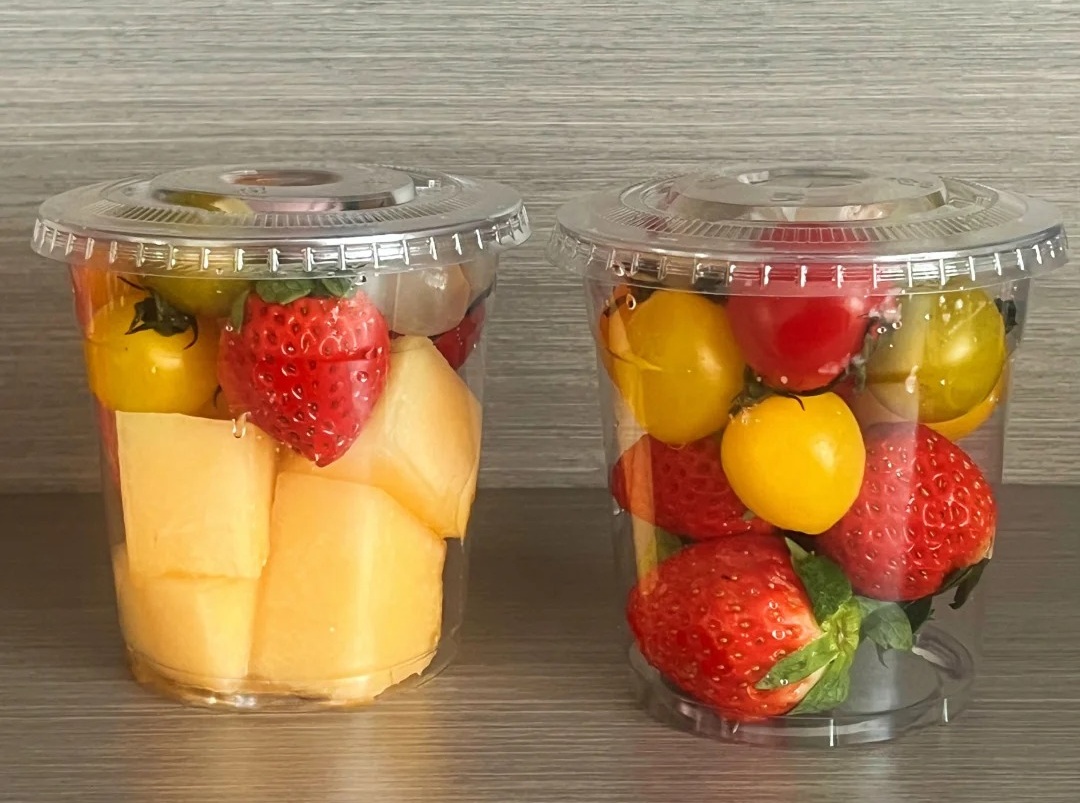
In high-volume foodservice, disposability is not a design flaw—it is an operational necessity. Fast turnover, limited washing capacity, and strict hygiene requirements make single-use solutions the default choice in many environments. Among these, cups plastic disposable remain the most widely used format due to their low cost, lightweight structure, and flexible applications.
Disposable plastic cups are typically made from PP, PET, or PS. PP is flexible and impact-resistant. PET is rigid, transparent, and visually appealing. PS is cheaper but brittle. The correct material depends on the drink type and usage conditions.
For cold beverages, PET is often preferred because of its clarity and stiffness. Customers can see the drink, which increases trust and perceived freshness. For environments where cups are frequently squeezed or dropped, PP is the better option.
Wall thickness usually ranges from 0.25 mm to 0.4 mm. Thinner walls reduce cost but increase the risk of deformation. Thicker walls provide better rigidity but increase material usage.
Rim quality is a major factor. Rolled rims improve comfort and reduce cracking. Sharp-cut rims are cheaper but less pleasant to use.
Base design also matters. A poorly balanced base leads to tipping, especially when ice is added.
I. Small Cups for Portion Control and Sampling
Small cups plastic serve a completely different function. They are used for tasting, sampling, condiments, sauces, kids’ drinks, medicine dispensing, and portion control.
These cups typically range from 1oz to 7oz. Because of their size, separation speed is critical. If cups stick together, service slows down. High-quality small cups use optimized taper angles and micro-ridges to prevent vacuum locking.
Clarity matters for sampling. Customers want to see what they are tasting. For this reason, clear PP or PET is preferred.
Rim comfort is often overlooked in small cups, but sharp rims cause discomfort. A slightly thickened rim improves usability.
In institutional environments like hospitals or schools, volume accuracy matters. Poorly molded cups can have inconsistent internal volumes.
Another factor is stack stability. Cheap small cups collapse when stacked too high. A reinforced base solves this problem.
II. Specialized Cups for Cold, Acidic Beverages
1. Plastic Lemonade Cups: Material and Design Considerations
Plastic lemonade cups are designed specifically for cold, acidic beverages. Lemonade contains citric acid, which can interact with low-quality plastics, causing odor retention or taste transfer.
High-quality lemonade cups use food-grade PP or PET that is acid-resistant. They do not absorb odors or flavors.
Typical sizes range from 12oz to 20oz. 16oz is the most common size for lemonade in QSR environments.
Ice compatibility is critical. The cup must not deform when filled with ice. Thin PS cups often crack under ice load.
Transparency is important because lemonade is visually appealing. Clear PET cups enhance color perception and make the drink more attractive.
Lid compatibility also matters. Lemonade is often sold as a takeaway drink, so flat lids or dome lids with straw slots must fit perfectly.
Condensation resistance is another factor. Poor-quality plastics become slippery when wet. Slight surface texturing improves grip.
2. Disposable Lemonade Cups: Durability for Outdoor Use
Disposable lemonade cups are often used in outdoor environments such as food trucks, festivals, fairs, and beach kiosks. In these environments, cups must withstand heat, UV exposure, and rough handling.
UV resistance is often overlooked. Low-grade plastics become brittle under sunlight. This leads to cracking and leakage.
Another key factor is transport efficiency. Disposable cups are shipped in bulk. Nesting efficiency directly affects shipping cost.
A good disposable lemonade cup should allow tight stacking without sticking together.
Packaging format matters. Sleeves of 50 or 100 are common. In high-volume operations, faster separation saves time.
Environmental considerations are also becoming more important. Many buyers now request recyclable PET or PP. Some also request biodegradable alternatives, but these must still meet strength requirements.
III. Procurement and Operational Summary
From a procurement perspective, these four cup categories must be treated differently:
- Disposable plastic cups → general-purpose, speed-focused
- Small plastic cups → portion control and sampling
- Plastic lemonade cups → cold drink performance
- Disposable lemonade cups → outdoor durability
Using the wrong cup type leads to operational problems. Thin PS cups used for lemonade will crack. Small cups used for full drinks will feel unstable. Generic disposable cups used for sampling waste material.
A professional supplier must segment these products clearly and not offer “one cup fits all” solutions.
Even though disposable cups appear simple, their performance depends on subtle design details: rim shape, wall thickness, taper angle, and base geometry.
In high-volume environments, these details determine whether service is smooth or chaotic.
| Cup Type | Primary Use | Key Design Features | Material Recommendation |
|---|---|---|---|
| Disposable Plastic Cups | General cold beverages, high-speed service | Rolled rim, balanced base, consistent wall thickness | PP or PET, 0.3–0.4 mm |
| Small Plastic Cups | Portion control, sampling, condiments | Easy separation, clear material, reinforced base stackability | Clear PP or PET, 1–7 oz sizes |
| Plastic Lemonade Cups | Acidic cold drinks (lemonade, iced tea) | Acid-resistant, ice-compatible, lid-ready, condensation grip | Food-grade PET, 12–20 oz |
| Disposable Lemonade Cups (Outdoor) | Outdoor events, festivals, food trucks | UV-resistant, high nestability, durable for rough handling | UV-stabilized PP or PET |
Choosing the right disposable cup system is an investment in operational speed, customer satisfaction, and cost control. Material selection, design precision, and application-specific features directly impact the efficiency and reputation of a foodservice business.