


Plastic Cups for Sampling, Desserts, and Cold Beverage Service
Specialized plastic cups for different foodservice roles
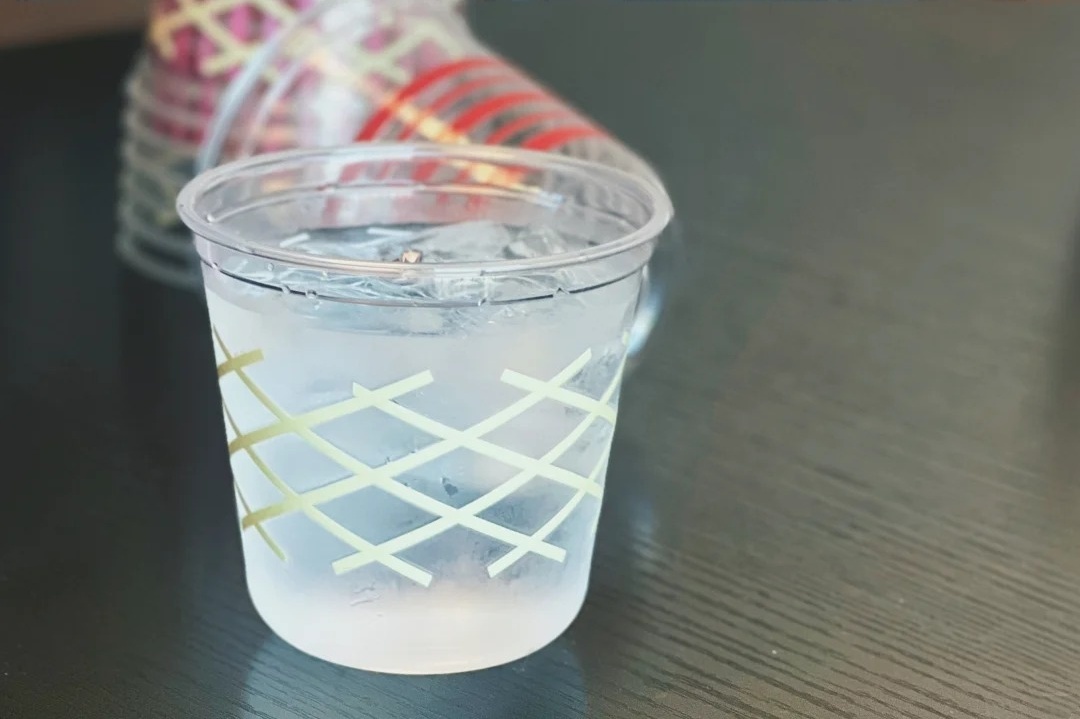
In foodservice environments where speed, hygiene, and portion control matter, specialized plastic cups play different roles. Sampling, dessert presentation, and cold beverage service all require containers with different structural and material properties. Treating these cups as interchangeable products often results in spills, waste, and inconsistent presentation. Keywords used (exact): shots cups plastic dessert cups plastic iced coffee cups disposable
I. Shots Cups Plastic
Shots cups plastic are primarily used for controlled portions. Common applications include beverage tasting, alcohol sampling, sauce portions, and medicine dispensing. These cups are usually small, ranging from 1oz to 3oz. Because of their size, separation speed is critical. Cups must release easily from stacks without sticking.
Material choice is usually PP or PS. PP is flexible and impact-resistant, while PS offers higher rigidity at lower cost but cracks more easily. For high-volume environments, PP is preferred to reduce breakage. Wall thickness is thin, but rim quality still matters. A sharp rim causes discomfort even in small cups. Slightly rolled rims improve user experience. Stacking stability is another key factor. Poorly designed shot cups collapse under weight when stacked in bulk.
II. Dessert Cups Plastic
Dessert cups plastic focus more on appearance than speed. These cups are used for mousses, puddings, fruit cups, tiramisu, and layered desserts. Transparency is important because visual presentation directly affects perceived value.
1. Material and Design Features
PET is commonly used because of its high clarity and rigidity. PP is also used when flexibility or heat resistance is needed. Typical sizes range from 4oz to 12oz. Design features include: – Smooth inner walls to show clean layers – Thick bases for stability – Flat or curved rims depending on lid compatibility
2. Practical Considerations
Many dessert cups are paired with flat lids to allow stacking in display cases. Lid fit must be precise to avoid drying or leakage. In catering environments, dessert cups must remain stable during transport. Cups with narrow bases tip easily and should be avoided.
III. Iced Coffee Cups Disposable
Iced coffee cups disposable are designed for cold beverages with ice. These cups must resist condensation, maintain rigidity, and fit lids securely for takeaway use.
| Cup Type | Primary Material | Key Features |
|---|---|---|
| Shots Cups | PP or PS | Small (1-3oz), easy separation, stacking stability |
| Dessert Cups | PET or PP | High clarity, smooth walls, thick bases (4-12oz) |
| Iced Coffee Cups | PET or PP | Crack resistance, tight lid seal, condensation resistance |
PET is the most common material due to its clarity and stiffness. PP is used when impact resistance is prioritized. Standard sizes include 12oz, 16oz, and 20oz. A 16oz cup is the most commonly used for iced coffee. Key requirements include: – Crack resistance under ice load – Tight lid seal to prevent leaks – Comfortable rim for sipping Condensation makes cups slippery. Slight surface texturing improves grip.
IV. Summary
Using the wrong cup type leads to problems. Shot cups used for desserts feel cheap. Dessert cups used for iced coffee deform. Iced coffee cups used for sampling waste material. Each category must be sourced separately to ensure proper performance.