


Themes and Trends: Balancing Holiday Demand and Long-Term Product Line Transformation
Assessing Seasonal Opportunities in Easter Dinnerware Tableware and Standardized Sourcing Standards for Eco-friendly Tableware
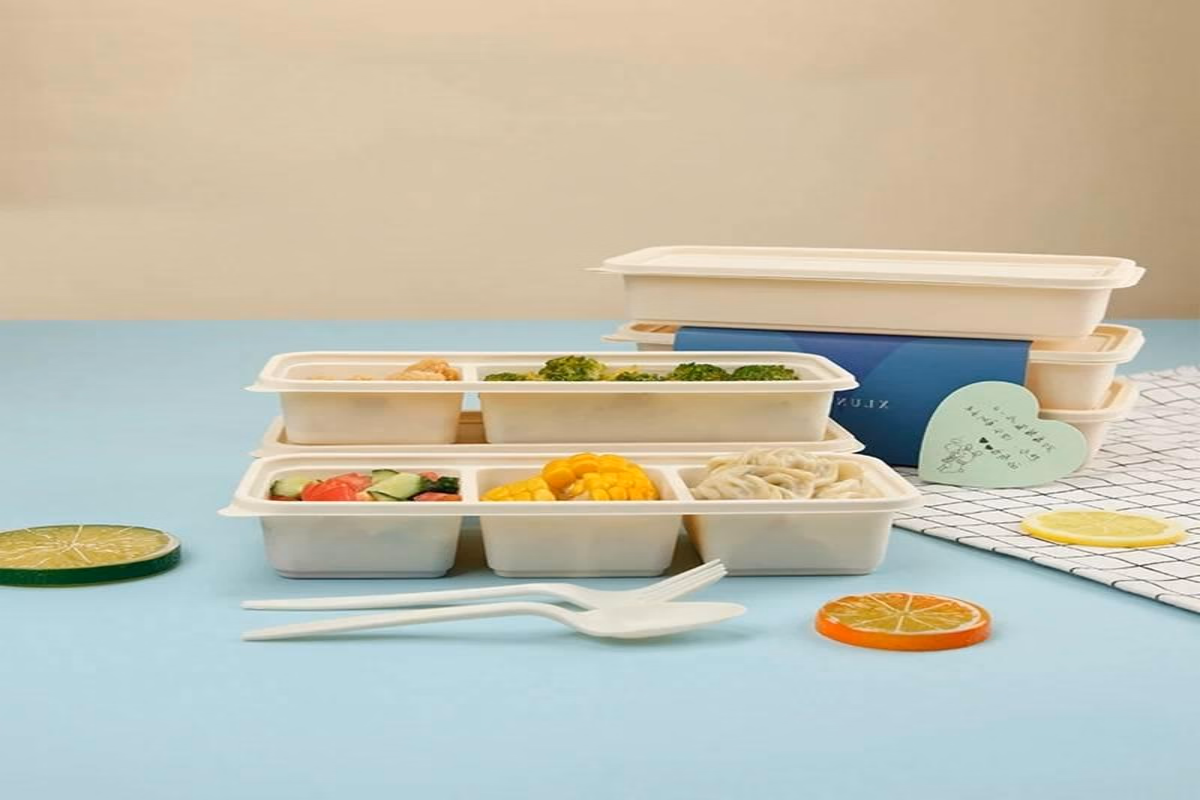
For buyers in supermarkets, bakeries, and family-friendly restaurants, the value of such products lies in stimulating holiday spending and increasing average transaction value. Key sourcing considerations include whether the design appeals to the target customer group, whether the product launch time accurately matches the holiday cycle (usually requiring 2-3 months of advance stocking), and how to handle remaining inventory after the holiday.
OEM customers may require designs that combine their own brand elements with festive designs.
Besides holiday-themed products, general-purpose eco-friendly tableware has become a staple category in the food service supply chain.
Purchasers are extremely pragmatic in their evaluation of such products: First, do they hold internationally recognized compostable certifications (such as BPI, DIN CERTCO)? Second, do their physical properties (heat resistance, oil resistance, load-bearing capacity) approach those of traditional plastic products? Finally, and most importantly, what is the price difference between bulk purchase prices and those of regular products?
Wholesalers need to prepare detailed technical data sheets demonstrating the actual performance of their eco-friendly tableware in microwave ovens and refrigerators, and provide copies of relevant certification documents for customers to use in their environmental advocacy.
Therefore, procurement strategies need to balance holiday demand with regular demand.
Easter dinnerware tableware represents a short-term, high-profit, blockbuster model, requiring a rapid supply chain response.
Eco-friendly tableware, on the other hand, represents a long-term product structure transformation, requiring a stable supply chain with production capacity and raw material sources.
Savvy wholesalers will operate both lines simultaneously, attracting new customers with holiday products and then converting them into long-term customers with competitive, environmentally friendly products.
| Product Category | Primary Market & Use Case | Key Sourcing & Evaluation Criteria |
|---|---|---|
| Easter Dinnerware Tableware | Supermarkets, bakeries, family restaurants, holiday promotions | Festive design appeal, holiday cycle timing, inventory management, OEM brand integration |
| Eco-friendly Tableware | General food service supply chain, daily operations, environmental compliance | Compostable certifications (BPI, DIN CERTCO), physical performance vs. plastic, bulk price differential, technical documentation |
| Strategic Product Line Balance | Long-term wholesale business development, customer acquisition & retention | Rapid supply chain for seasonal items, stable supply chain for eco-products, converting seasonal buyers to long-term clients |
Selecting appropriate disposable products for family and institutional use ensures a safe, hygienic, and efficient dining experience. Safety features in children's cutlery and contamination-resistant cup systems are essential for meeting the specific needs of these environments.