


Logistics Masterclass: Best Practices for Shipping Aluminum Tableware Overseas
Ensuring Product Integrity Across Global Supply Chains
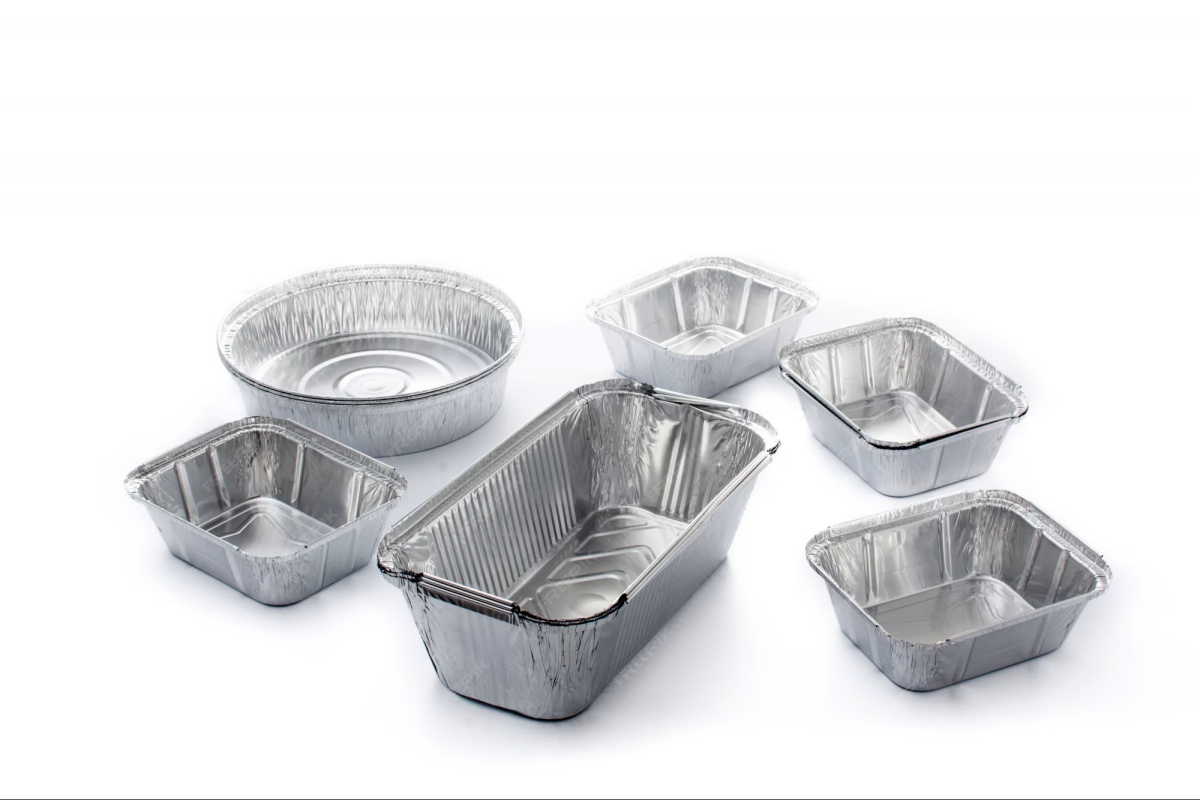
Shipping lightweight, high-volume goods like aluminum foil containers overseas presents unique logistical challenges. Because the material is thin-gauge, it is susceptible to physical deformation and moisture damage. To protect the integrity of the product, Western importers often insist on robust secondary packaging. Utilizing an aluminum alloy case or reinforced aluminum frames for palletization can provide the necessary structural support to prevent crushing during high-sea transit.
I. Protecting Against Environmental Factors
Environmental factors are equally critical. Salt air is highly corrosive to unprotected metals. Therefore, bulk shipments of foil containers are typically wrapped in moisture-barrier films and secured with an aluminum trim cap or specialized edge protectors to ensure the pallets remain squared and stable.
Furthermore, using aluminum extrusions within the shipping crates can create a "skeleton" that allows for double-stacking in containers without putting pressure on the delicate foil products.
II. The B2B Buyer's Perspective: Landed Cost and Quality Assurance
For a B2B buyer, the "Landed Cost" isn't just about the price per unit; it’s about ensuring that 100% of the shipment arrives in sellable, food-grade condition, free from the dents and scratches that occur in poorly managed logistics chains.
1. Investing in Quality Packaging
Investing in robust, purpose-built packaging such as aluminum alloy cases and reinforced frames is essential to minimize transit damage and reduce the hidden costs associated with product loss and returns.
2. Ensuring Food-Grade Arrival
Implementing comprehensive moisture and impact protection measures ensures that aluminum tableware maintains its hygiene and structural integrity, meeting strict food safety standards upon arrival.
III. Summary
Successfully shipping aluminum tableware overseas requires a masterclass in logistics that balances protection, efficiency, and cost. By employing robust secondary packaging like aluminum alloy cases, moisture-barrier films, and structural aluminum extrusions, shippers can safeguard delicate products against physical and environmental hazards. For B2B buyers, this meticulous approach ensures optimal landed cost by delivering 100% usable, food-grade products, reinforcing supply chain reliability and customer satisfaction.
| Logistics Challenge | Best Practice Solution | Expected Outcome |
|---|---|---|
| Physical Deformation | Use of aluminum alloy cases and reinforced frames | Prevents crushing and maintains product shape |
| Moisture & Corrosion | Moisture-barrier films and aluminum trim caps | Protects against salt air and humidity damage |
| Stacking Pressure | Internal aluminum extrusion "skeleton" | Enables safe double-stacking without product damage |
| Overall Integrity | Comprehensive protective packaging strategy | Ensures 100% sellable, food-grade arrival |
Adopting these best practices transforms the complex task of international shipping into a reliable, value-driven process, securing product quality from factory to final destination and building trust in global trade partnerships.