


Beverage Containers for Cold Drink Service and Retail Distribution
Optimizing juice cup and plastic disposable cup performance for cold beverage service and retail efficiency.
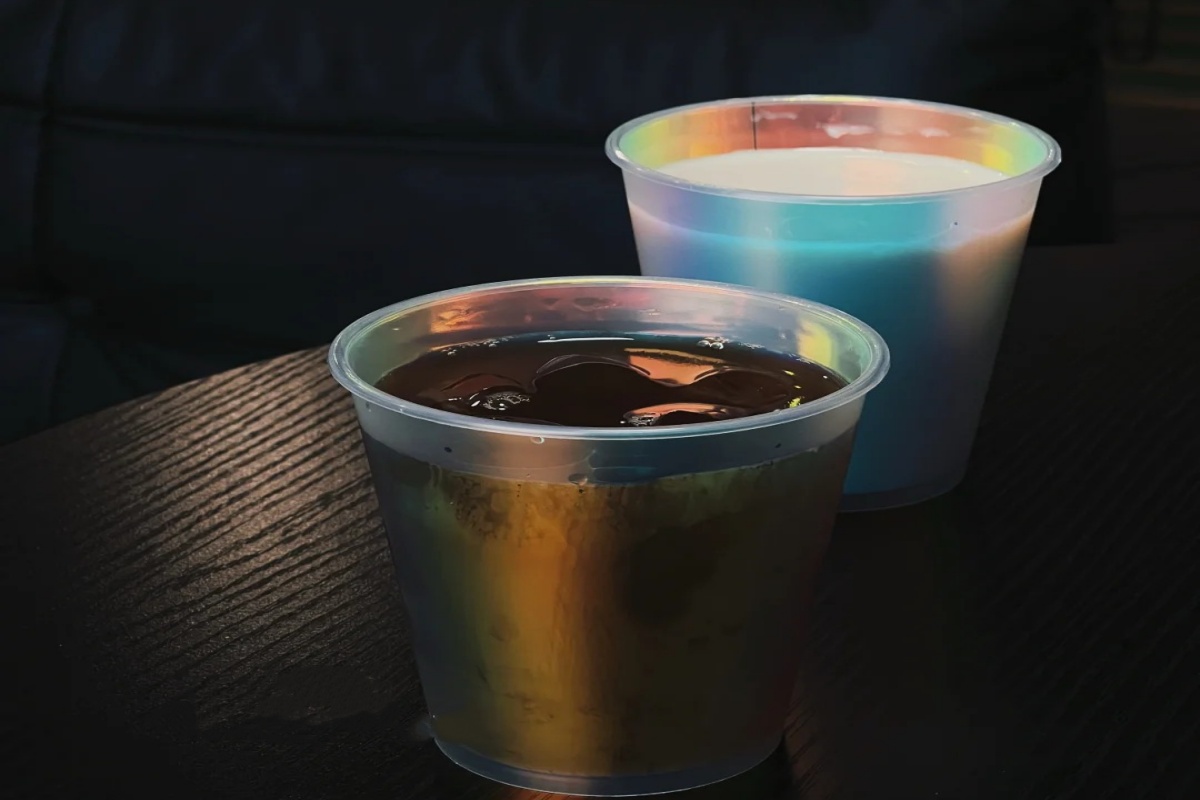
PET is commonly used for clarity. PP is used when flexibility is needed. Typical sizes range from 12oz to 20oz.
Rim comfort matters for direct sipping. Sharp rims reduce user satisfaction.
Condensation resistance improves handling. Slight surface texturing helps.
Plastic disposable cups are widely used across beverage categories. Wall thickness determines rigidity. Thin cups collapse easily.
Lid compatibility is essential for takeaway use. Poor fits cause leaks.
Stacking efficiency affects service speed. Cups that stick slow down operations.
Buyers should test:
- Ice load resistance
- Lid seal integrity
- Stack separation speed
| Cup Type | Key Design & Performance Factors | Buyer Testing & Evaluation Focus |
|---|---|---|
| Juice Cup | Clarity (PET), flexibility (PP), rim comfort, condensation resistance, size range (12oz-20oz) | Ice load stability, user sipping comfort, condensation handling |
| Plastic Disposable Cups | Wall thickness (rigidity), lid compatibility, stacking efficiency | Collapse resistance, leak prevention (lid fit), service line speed (stack separation) |
| Overall Performance | Balance of clarity, strength, cost, and operational efficiency | Ice resistance test, lid seal integrity check, stacking/separation speed measurement |
Selecting appropriate disposable products for family and institutional use ensures a safe, hygienic, and efficient dining experience. Safety features in children's cutlery and contamination-resistant cup systems are essential for meeting the specific needs of these environments.