


Practical Use of Plant-Based Tableware for Foodservice Operations
Evaluating biodegradable dinner plates, sugarcane tableware, and wholesale tableware for real-world foodservice performance.
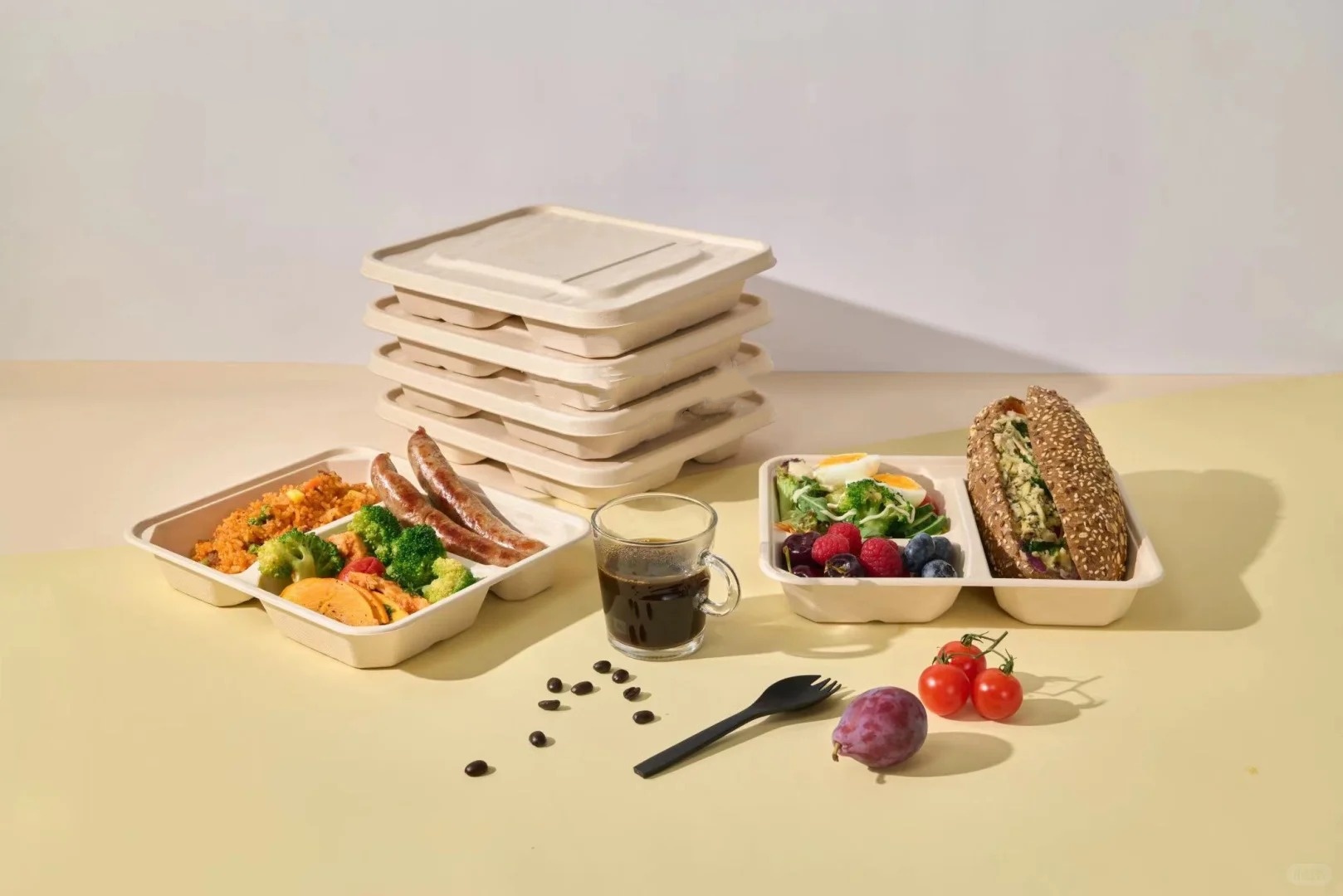
Most biodegradable plates are produced from molded fiber or bagasse. Bagasse is the fibrous residue from sugarcane processing, making it a widely available raw material. Plates made from this material typically offer good rigidity for short-term use and moderate resistance to heat and moisture.
Sugarcane tableware is particularly suitable for hot meals such as rice, pasta, grilled meats, and vegetables. Typical plate sizes range from 7 to 10 inches. Thickness usually falls between 1.2 mm and 1.8 mm. Thinner plates reduce cost but deform under heat. Thicker plates increase strength but add weight and cost.
Edge design matters. Reinforced rims prevent bending when plates are lifted with food. Flat rims reduce stacking height but may feel weaker.
Liquid resistance is a key factor. Uncoated plates absorb moisture quickly. Light water-based coatings improve performance without affecting disposal requirements. Buyers should request real-use liquid hold tests rather than relying on lab claims.
From a procurement standpoint, wholesale tableware sourcing requires attention to batch consistency. Variations in fiber quality lead to uneven color, thickness, and strength. This creates issues for branded foodservice operations.
Packaging efficiency also matters. Poor nesting increases carton size and shipping cost. Bulk buyers should test pallet utilization before committing.
In real kitchens, plates must maintain shape for at least 30 minutes with hot food. Products that soften earlier cause spills and customer complaints.
Selecting plant-based plates requires balancing cost, strength, and logistics. Performance testing under actual menu conditions is essential.
| Product Category | Key Performance & Design Factors | Procurement & Practical Considerations |
|---|---|---|
| Biodegradable Dinner Plates | Material density (molded fiber/bagasse), heat tolerance, supply consistency | Real-use evaluation over marketing claims, heat/moisture resistance testing |
| Sugarcane Tableware | Plate size (7-10 inches), thickness (1.2-1.8 mm), rim design (reinforced/flat), liquid resistance | Cost vs. strength trade-off, real-use liquid hold tests, coating effectiveness |
| Wholesale Tableware | Batch consistency (color, thickness, strength), packaging efficiency (nesting, pallet utilization) | Supply chain reliability, pre-commitment pallet testing, branded operation compatibility |
| Operational Requirements | Shape retention (min 30 min with hot food), spill prevention, customer satisfaction | In-kitchen performance testing, menu-specific evaluation, logistics cost balancing |
Selecting appropriate disposable products for family and institutional use ensures a safe, hygienic, and efficient dining experience. Safety features in children's cutlery and contamination-resistant cup systems are essential for meeting the specific needs of these environments.