


Beyond the Basics: The Strategic Importance of the Aluminum Foil Container in Global Foodservice
The Evolution of Modern Catering – Why Foil Containers Lead the Market
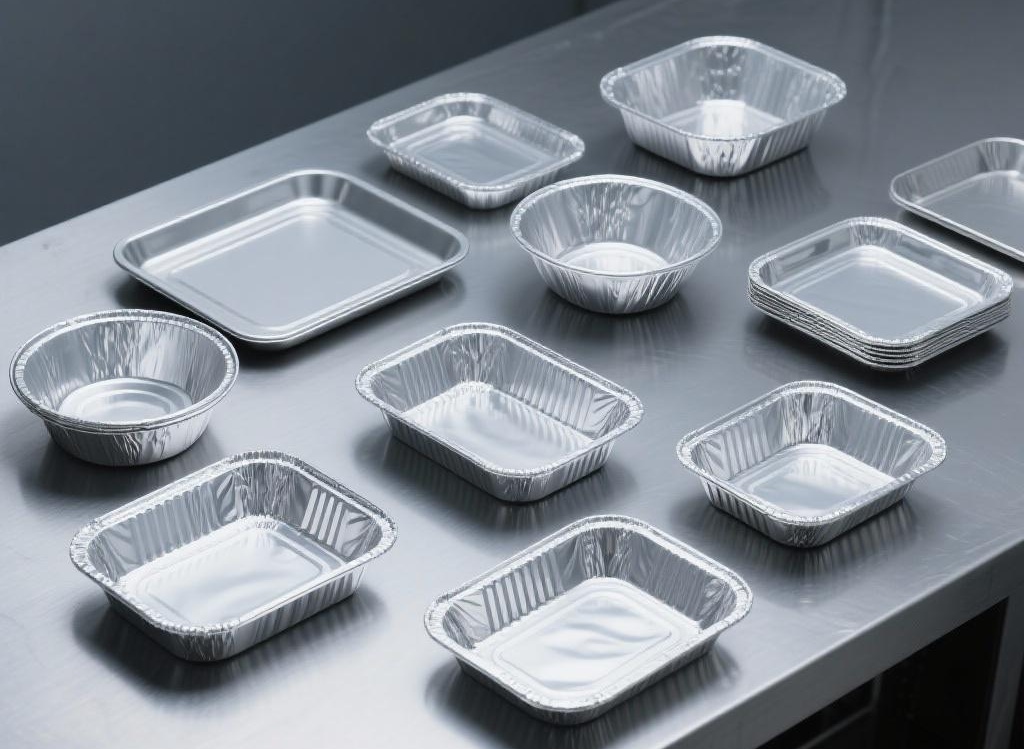
In the competitive landscape of the Quick Service Restaurant (QSR) and catering industries, packaging is no longer a secondary thought—it is a critical component of the brand experience. The aluminum foil container has emerged as the preferred choice for professionals who refuse to compromise on heat retention and food safety. Unlike plastic or fiber-based alternatives, aluminum offers a total barrier to light, oxygen, and moisture, ensuring that the meal reaching the consumer is as fresh as it was in the kitchen.
I. Material Science and Superiority
The journey of a high-quality tray begins with premium aluminum coil. This material is selected for its high purity and specific temper, allowing it to be pressed into intricate shapes without cracking. Unlike an aluminum pot or a traditional aluminum cookware set designed for long-term kitchen use, the disposable aluminum foil container is engineered for a single, high-performance cycle. Its thermal conductivity is far superior to plastic, allowing food to be reheated evenly and quickly.
Versatility Across Temperatures. One of the key reasons B2B buyers in the West are shifting away from plastic is the dual-ovenable nature of aluminum. A standard aluminum foil container 40 pack, for example, is just as at home in a freezer as it is in a conventional oven. This versatility simplifies the supply chain for meal-prep companies, as they can use one single vessel for freezing, transport, and reheating. As global regulations tighten around single-use plastics, the transition to aluminum is not just an eco-friendly choice; it is a future-proofing strategy for any serious foodservice business.
II. Why Aluminum Leads the Market
The aluminum foil container represents a strategic advancement in foodservice logistics and quality assurance.
1. Unmatched Barrier Protection
Aluminum provides a complete barrier against light, oxygen, and moisture, the three primary elements that degrade food quality. This ensures flavor, texture, and nutritional value are preserved from kitchen to consumer, a critical advantage for delivery and takeaway operations.
2. Superior Thermal Performance
With excellent thermal conductivity, aluminum containers heat evenly, eliminating cold spots and ensuring consistent food temperature. This makes them ideal for both conventional and convection ovens, meeting the demands of high-volume foodservice environments.
3. Operational Versatility and Efficiency
From freezer storage to oven reheating, a single aluminum container can handle the entire journey of a prepared meal. This reduces packaging inventory complexity and supports streamlined operations for catering companies, ghost kitchens, and meal delivery services.
III. The Future-Proof Choice for Foodservice
As sustainability regulations evolve and consumer expectations rise, aluminum foil containers offer a responsible and high-performance solution.
1. Regulatory Compliance and Sustainability
With increasing bans on single-use plastics, aluminum stands out as a recyclable and efficient alternative. Its high recyclability rate and the ability to be reprocessed repeatedly without quality loss align with circular economy goals.
2. Enhancing Brand Value and Customer Trust
Using robust, reliable packaging like aluminum foil containers communicates a commitment to quality and safety. It elevates the brand experience, ensuring meals arrive intact, hot, and fresh—key drivers of customer satisfaction and repeat business.
In summary, the strategic shift to aluminum foil containers in global foodservice is driven by undeniable material advantages and operational necessities. They are not merely containers; they are integral to ensuring food integrity, optimizing supply chains, and future-proofing businesses against regulatory and market changes.