


The Science of Heat: Maximizing Food Quality with Aluminum’s Thermal Conductivity
Thermal Physics – Why Aluminum Keeps Food Hotter, Longer
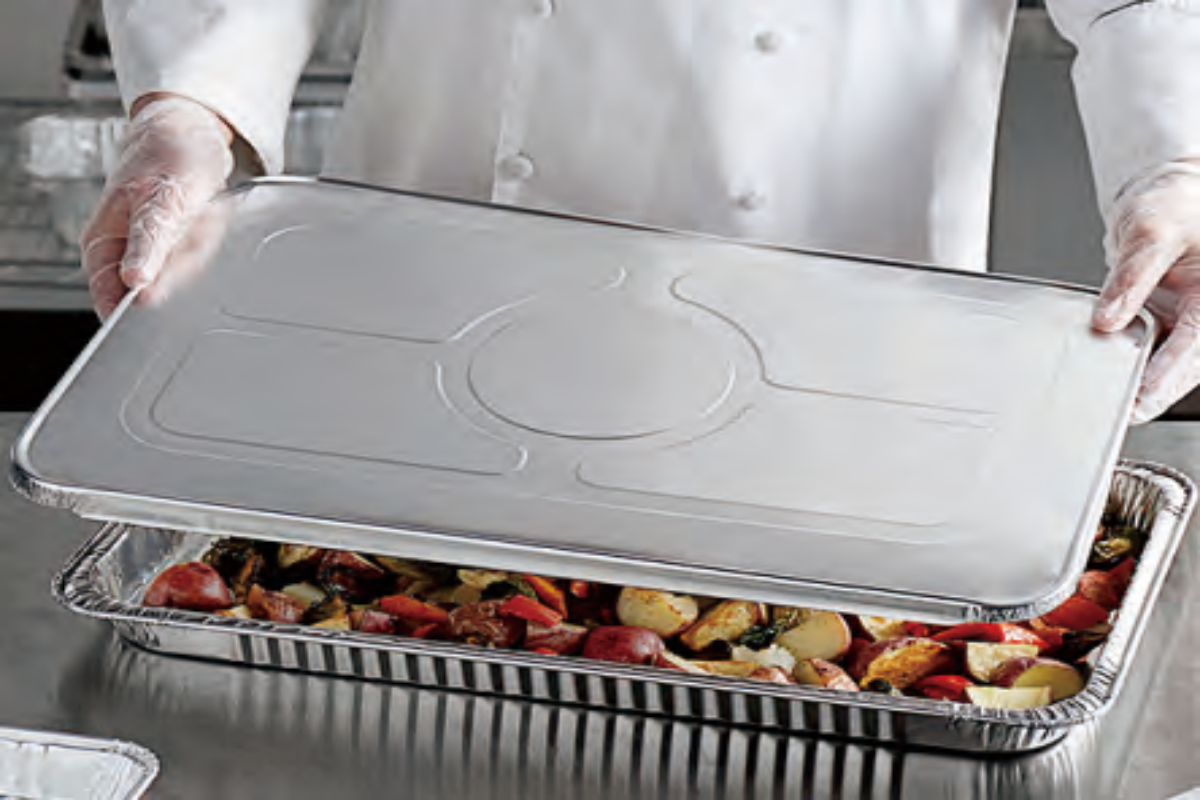
The primary complaint in the food delivery industry is cold food. The thermal properties of the aluminum foil container address this problem directly. Aluminum has a thermal conductivity that is roughly 15 times higher than stainless steel and hundreds of times higher than plastic. This doesn't just mean it heats up fast; it means it distributes heat evenly across the entire surface of the food.
I. Radiant Heat Retention
Aluminum is a highly reflective material. This is why aluminum foil insulation and aluminum foil foam insulation are used in the construction industry to keep buildings warm. In the context of food, the shiny surface of the foil reflects radiant heat back into the meal. When paired with a tight-fitting lid made of the same material, the container acts like a mini-oven, sustaining a high internal temperature during the "final mile" of delivery.
Comparison to Traditional Cookware. While a professional chef might use a heavy aluminum pot or an aluminum cookware set for the initial cooking process, the thin-gauge foil container mimics these properties on a micro-scale. It prevents "hot spots" that can overcook certain areas of the meal while leaving others cold. For businesses focused on high-end culinary delivery, understanding this physics is the key to ensuring customer satisfaction. Using aluminum foil as a secondary wrap can further enhance this effect, creating an additional layer of dead air for maximum insulation.
II. The Physics of Superior Heat Distribution
Aluminum's molecular structure enables unparalleled thermal performance in foodservice applications.
1. Uniform Heat Transfer
Aluminum's high thermal conductivity ensures heat spreads quickly and evenly throughout the container, eliminating cold spots and maintaining consistent food temperature from edge to center.
2. Rapid Heating Response
With thermal conductivity hundreds of times greater than plastic, aluminum containers reach optimal serving temperatures faster, reducing energy consumption in commercial reheating operations.
3. Efficient Energy Utilization
The material's ability to conduct heat efficiently means less energy is wasted during both cooking and保温 stages, supporting more sustainable kitchen operations.
III. Practical Applications for Foodservice Excellence
Understanding aluminum's thermal properties enables better food quality management.
1. Delivery Optimization
The combination of conductive heating and reflective insulation keeps meals at ideal temperatures during transit, directly addressing the most common customer complaint about delivered food.
2. Culinary Precision
For dishes requiring specific temperature maintenance, aluminum containers provide the consistent thermal environment needed to preserve delicate textures and flavors.
3. Versatile Cooking Compatibility
From conventional ovens to microwave reheating, aluminum's thermal properties ensure excellent performance across all common foodservice heating methods.
The science behind aluminum's thermal performance transforms ordinary food packaging into a sophisticated temperature management system. By leveraging aluminum's exceptional conductivity and reflective properties, foodservice businesses can guarantee that every meal reaches customers at the perfect temperature, turning thermal physics into tangible customer satisfaction and culinary excellence.