


Protecting the Payload: A Guide to International Logistics for Bulk Aluminum Foil Shipments
Overseas Logistics – Best Practices for Shipping Aluminum Foil Tableware
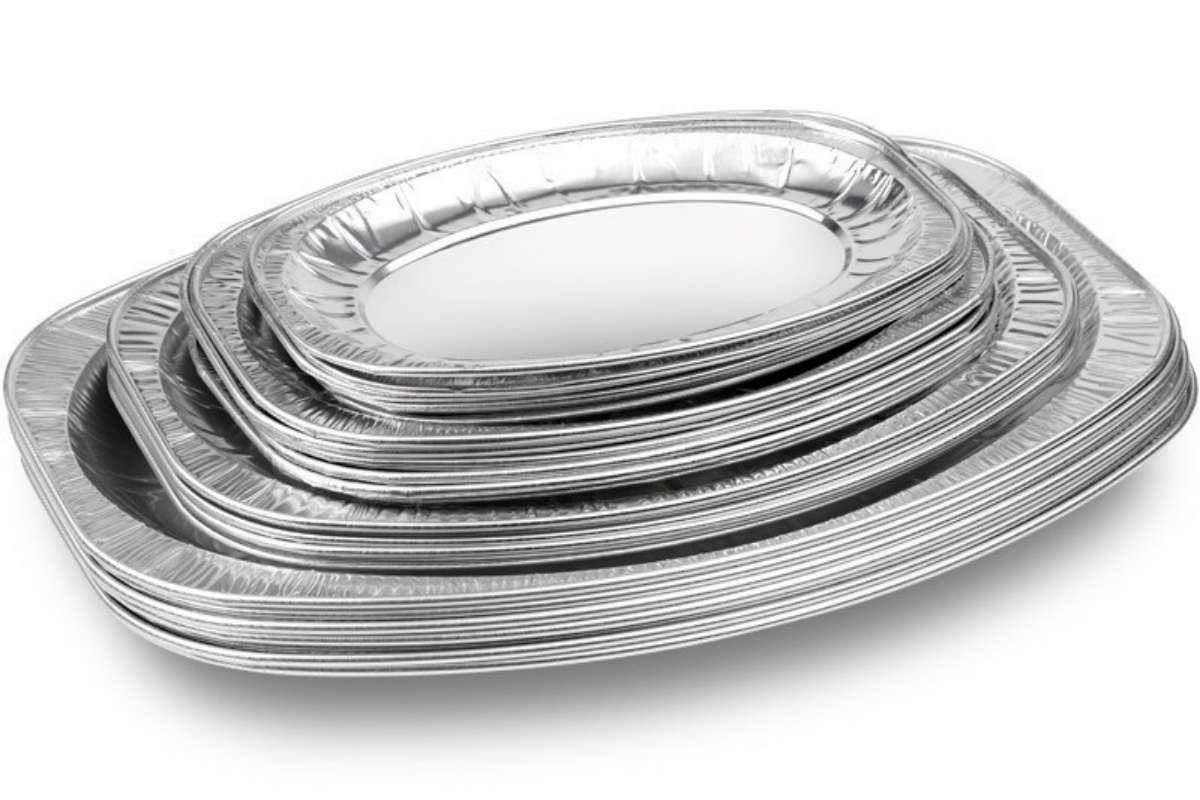
Shipping high volumes of aluminum foil containers across oceans requires a sophisticated understanding of logistics and material vulnerability. While aluminum is durable, the thin gauge used for disposable tableware is susceptible to physical deformation and oxidation if not handled correctly. B2B importers must ensure that their suppliers adhere to strict palletization and container loading standards.
I. Palletization and Stacking Stability
To maximize container space, containers are nested deeply. However, excessive weight can crush the bottom layers. Suppliers often use aluminum panels or heavy-duty corrugated board to reinforce the corners of the pallets. The goal is to maximize the Product Count per Container (PPC) without compromising the integrity of the rims. For large-scale orders, shipping the material as aluminum coil and pressing it locally is an option, but for most, the finished aluminum foil container 40 pack is the standard unit of trade.
Managing Moisture and Oxidation. Ocean transit exposes cargo to high humidity and salt air. Aluminum is naturally corrosion-resistant, but prolonged exposure to moisture can cause "white rust" (oxidation). High-quality shipments are often wrapped in aluminum foil insulation film or placed inside moisture-barrier bags with desiccant packs. Ensuring the shipping container is "Wind and Watertight" (WWT) is a non-negotiable requirement. By maintaining these standards, importers can ensure that the aluminum arrives at its destination in pristine, food-grade condition, ready for immediate use in the commercial kitchen.
II. Key Logistics Considerations
Successful international shipment of aluminum tableware depends on addressing several critical factors.
1. Container Loading Optimization
Strategic nesting and stacking patterns maximize space while preventing compression damage. Proper weight distribution ensures container stability during ocean transit.
2. Protective Packaging Systems
Beyond standard wrapping, specialized liners and interleaving materials prevent abrasion and maintain separation between container layers during long journeys.
3. Documentation and Compliance
Accurate customs documentation, including material certifications and food-grade compliance papers, ensures smooth clearance at destination ports.
III. Risk Mitigation Strategies
Proactive measures protect both product quality and supply chain continuity.
1. Climate Control Planning
For routes through tropical or high-humidity regions, additional desiccant protection and moisture monitoring devices prevent oxidation before it can start.
2. Quality Inspection Protocols
Pre-shipment inspections verify that packaging meets international shipping standards, with particular attention to corner protection and moisture barriers.
3. Supply Chain Redundancy
Maintaining relationships with multiple logistics providers ensures alternative routing options if primary shipping lanes face disruptions.
Mastering the logistics of aluminum foil tableware shipments transforms a potential vulnerability into a competitive advantage. By implementing rigorous packing standards, moisture control measures, and strategic loading practices, businesses can guarantee that their aluminum products arrive in perfect condition anywhere in the world. This logistical excellence not only protects the physical product but also strengthens supply chain reliability and customer trust in global foodservice operations.