


Safe to the Core: Navigating Global Food Safety Regulations for Aluminum Tableware
Food Safety Standards – The Chemical Stability of Aluminum
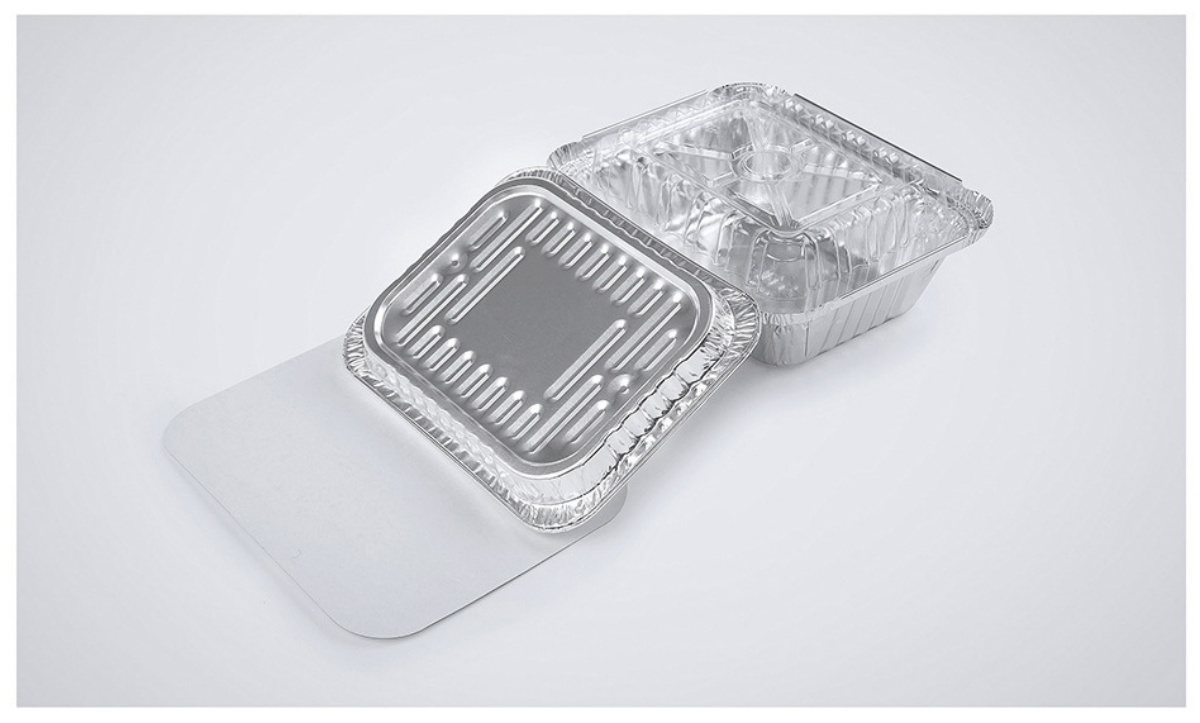
For European and American B2B buyers, compliance with food safety regulations (like FDA or EFSA) is the highest priority. Aluminum is an inert material that provides one of the safest surfaces for food contact, provided the alloy composition is strictly controlled. Unlike some plastics that may leach Bisphenol A (BPA) when heated, aluminum remains stable even at high temperatures.
I. Alloy Purity and Compliance
The production of food-grade foil starts with high-purity aluminum ingots. These are processed into aluminum sheets or coils with specific trace-element limits.
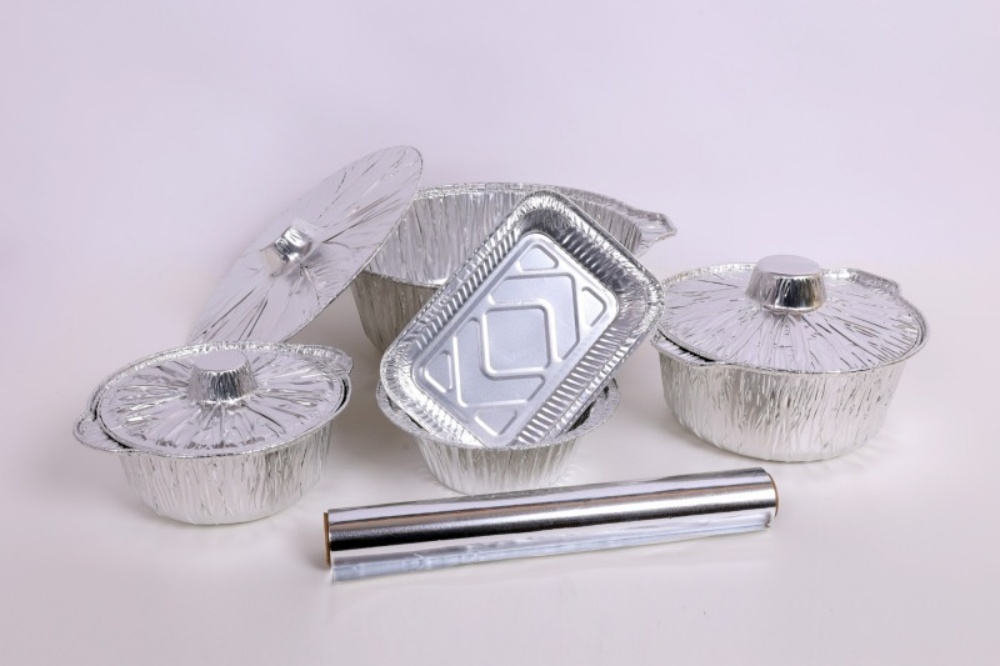
For acidic foods (like tomato-based sauces), a thin polymer coating is sometimes applied to the aluminum foil container to prevent a reaction between the acid and the metal. Suppliers must provide a Certificate of Analysis (CoA) to prove that the material is free from heavy metals and is safe for the intended temperature range.
II. Hygienic Manufacturing
A clean manufacturing environment is essential. Factories often use aluminum panels for wall cladding because they are easy to sanitize and do not harbor bacteria.
1. Precision Tooling and Cleanliness
Precision tools, such as CNC machined aluminum alloy parts used in the pressing machines, are regularly cleaned to prevent oil contamination.
2. Integrity of the Supply Chain
Whether you are using a simple aluminum pot or a mass-produced aluminum foil container, the safety of the consumer depends on the integrity of the supply chain from the smelting plant to the final packaging.
III. Summary
Aluminum's inherent chemical stability, combined with strict control over alloy purity and hygienic manufacturing practices, makes it one of the safest materials for food contact. Adherence to global regulations like FDA and EFSA ensures that aluminum tableware meets the highest standards of food safety for consumers worldwide.
| Safety Aspect | Key Requirement | Benefit |
|---|---|---|
| Alloy Purity | High-purity ingots with trace-element limits | Prevents contamination and ensures inertness |
| Acidic Food Protection | Polymer coating when necessary | Prevents metal-acid reaction |
| Documentation | Certificate of Analysis (CoA) | Verifies absence of heavy metals |
| Manufacturing Hygiene | Sanitizable surfaces and clean tools | Prevents bacterial and oil contamination |
By prioritizing these factors, manufacturers and suppliers can guarantee that aluminum tableware not only performs well but also upholds the strictest food safety protocols demanded by international markets.